It is very likely that throughout the holiday season, you have heard the phrase “Yuletide greetings.” Throughout the Christmas season, Yule is woven into every tradition and is featured in every song on the radio, but the question remains: what is Yule? How is it related to Christmas? And, how is it celebrated?
What is Yule? This is the question that everybody asks first when Yule is brought up in the United States. Originally, Yule was a 12-day festival beginning on December 20th centered around the winter solstice, celebrating the return of the sun as the days began to get longer again. Yule comes from the Old Norse word “Jól” meaning wheel, like the wheel of the sun or the turn of the year. It was mostly celebrated before Christianity was brought to Europe, especially by Germanic Pagans. Odin or “Jólnir,” which translates to “master of Yule,” was worshipped during the festival. He was portrayed as a figure who rode his eight-legged horse “Sleipnir,” delivered gifts in shoes left out for him, and he was associated with ancestors. Yule was not only a time for celebrating the new, but was also for remembering the old such as ancestors or good times from the ending year.
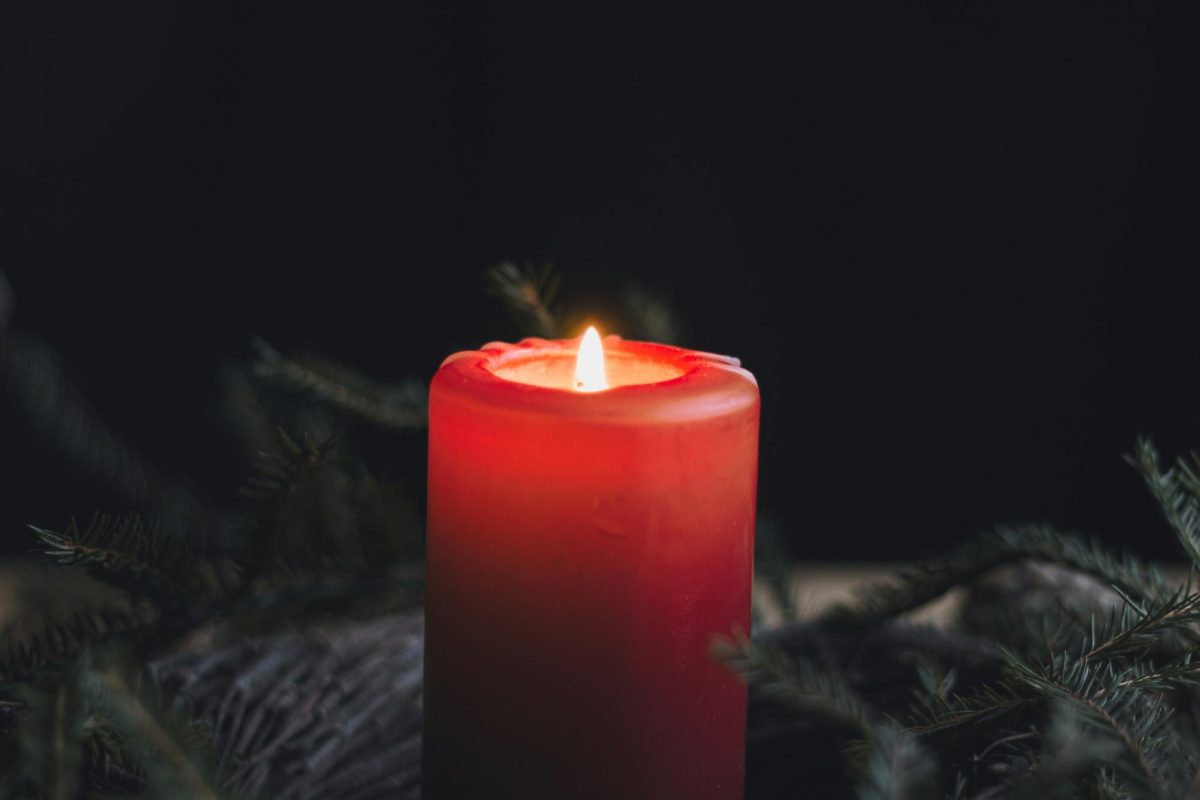
How is it related to Christmas? You might have guessed from the mention of Odin leaving gifts that Yule and Christmas are very similar. Some historians believe that this is because when Christians wanted to spread their religion to the rest of Europe, to entice the pagans to convert to Christianity they combined Christmas and Yule, moving the birth of Christ to winter. Due to this, many Yule traditions were used for Christmas, such as Christmas feasting, associations of evergreens with the holiday, caroling, and lights (originally candles or fires). In Europe, the words “Yule” and “Christmas” have become synonymous, and some countries only call the holiday Yule.
How is/was it celebrated? Yule has many traditions that have been translated into Christmas, especially in Europe. A few popular Yuletide traditions include the Yule log, the straw goat, reflections, resolutions, altars, and sacrifices. The Yule log was originally massive logs from trees that would be burned during the festival, then reduced to smaller logs used in fireplaces, and eventually adapted to cakes decorated as logs with candles. The straw goat was a goat made of hay and other plants. It would be made during the festival and burned at the beginning of the next Yule. It symbolized Thor’s goat-drawn chariot, new beginnings, and good fortune. In Sweden, the Gävle Goat has been built for the holiday every year, reaching sizes that rival houses in the surrounding neighborhood. During the festival, everyone would gather in a circle and toast to what they were thankful for or make promises/resolutions for things they plan to do in the coming year. They would also set a plate for the gods and make offerings to them before they feasted. Many of these traditions can be traced to the current traditions for Christmas, such as leaving cookies on a plate for Santa, new years resolutions, and even those videos of a fireplace your teacher puts on while you work. Yule is also celebrated as a festival or personal holiday by Pagans around the world today, such as Wiccans and Heathens.
Yule is not a restrictive holiday and can be celebrated by everyone, and if you give some of these activities a try, you might find your new favorite Christmas tradition. So, as you go through this holiday season and hear mentions of Yule, think of the history of the holidays you celebrate this season and stay curious about the origins of modern holidays and traditions.